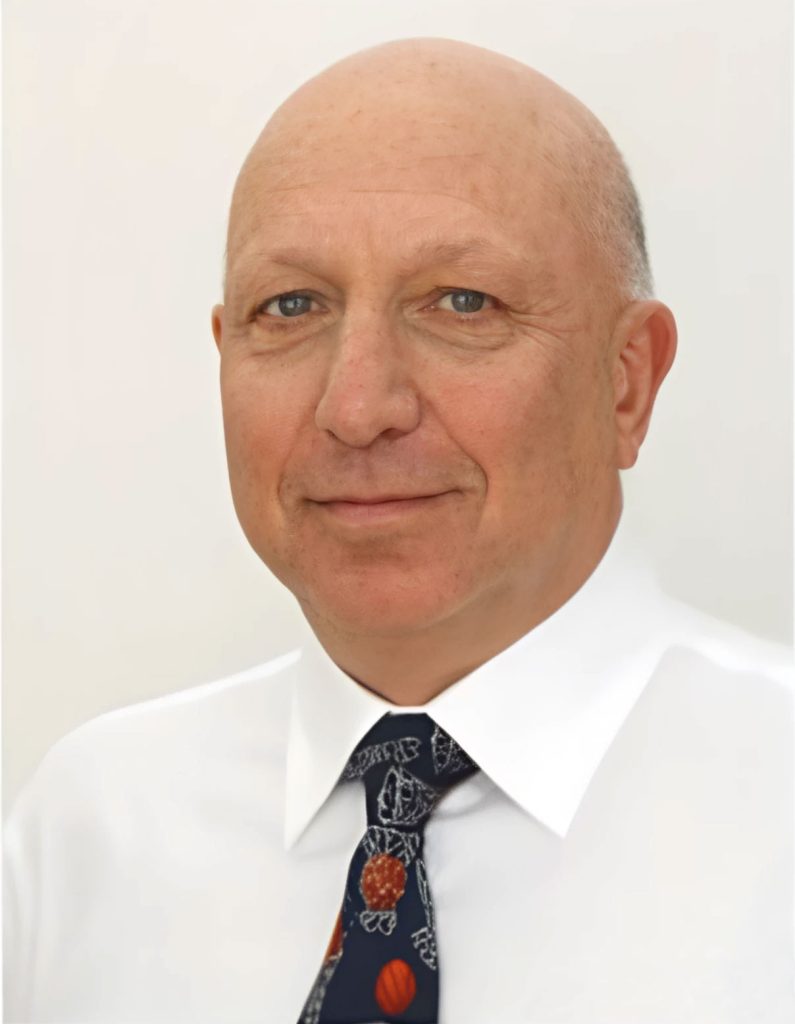
I’m sitting here with Mike. Thank you very much for joining us. I appreciate you doing this interview. Could you share what was going on with you when you first came into the program, what the problems were that you were experiencing, why you wanted to come here? Well, I had been basically celibate for lack of a better term for my entire life. I never had the possibility of going out and finding a girlfriend or anything like that. I was actually seeing a girl kind of at work, although I don’t think she was seeing me. So it was more of an imagined relationship. It was a friendship more than anything else. But that’s basically where I was. And I was just petrified of going out and finding a real relationship.
So are you saying that the primary concern when you came in originally was because of issues with the opposite sex? Absolutely. Yes. Was there other anxiety present? For the most part, no, it was just having an overwhelming fear of literally being petrified, being unable to move in the direction that I wanted to, of being able to find a girlfriend or a relationship with a member of the opposite sex for the purpose of sex, as opposed to just a friendship or something. Where are you at currently? I’m better. Generally speaking, I am now seeing this girl. I’m also more able to go out and speak with other people in, let’s say, a club situation, being able to actually let loose a little bit more and just socialize with people, hang out with people. I remember when I first met you, your anxiety was fairly substantial. I mean, you had a lot going for you, obviously, a good job, a lot of skills making good money. Could you elaborate?
Could you describe the way that the thinking, the anxiety, the fear was impacting you that kept you so socially avoidant at the beginning? I figured I had a pretty good job. I had a pretty interesting job. So I always figured that I could use that to find somebody. I work in television, so one of my fantasies would be I’ll go out and buy a camera and, you know, a $20,000 camera, and I can go somewhere and just hold that on my shoulder and people would just approach me to, you know, want to get with me or something like that. And that was just basically the way I went about doing things. It was a really convoluted way of thinking. I mean, I always knew I had a pretty good job. What was your mood like when you first came in? Your mood and your feelings of self-esteem? Well, my self-esteem has always been pretty rotten. My mood, actually, when I first came to see you, I was just going through a situation where the girl that I was, you know, friends with at work, she was leaving to go to a different shift. So I knew I wouldn’t be seeing her anymore. I knew she was looking for another boyfriend. I knew she had a boyfriend, so I figured that’s it. I’m never going to see this girl that I love anymore. So I was devastated. Number one, I was heartbroken. Number two, you know, I knew that there was no way at the time to get me out of that situation. I knew I couldn’t go out and just find another girlfriend, get over it.
Would you say you were depressed originally? Oh, yes. I was severely depressed at that time. Okay, so you started out with some substantial depression. You had anxiety, especially major anxiety, especially around the area of intimacy. You know, having worked with me for a while, that I like to gauge everything on a one to ten scale. So if let’s say for the sake of relativity, you started at a one. Where would you say you’re at now? Probably about an eight. And your reasoning is, well, comparatively, I mean, there was no way for me to go to a club or go to a party or go go skiing by myself, let alone go to one of these places and then meet someone, which is what I’ve now at this point, just started doing.
What was the key to your success? What did you have to do in terms of restructuring your thinking and dealing with emotions to be able to accomplish so much? The biggest breakthrough for me came one day after group. I, for some reason, I don’t know why. I was driving home rapidly and I determined that I liked that feeling of exhilaration. I liked being excited, having the adrenaline coursing through my veins. And I made the realization that I could use that, you know, that burning, I don’t know if you want to call it passion, fire, whatever, in a good way, because I can find that anywhere just by getting nervous about something. I could go to a club and say, I don’t belong here. And I would immediately have that rush. And after that, it would just, you know, get me to do things that I would not normally do.
I use skiing. Okay, but the rush that you’re referring to was adrenaline. Yes. And the adrenaline, the excess adrenaline is the root of panic, which is part of the thing that you were originally suffering from. How did you turn? Because I remember you’re telling me directly once in session. How did you turn the panic, the worry, the anxiety into positive and productive energy? It was, it was conscious thought. It was just saying, I like this feeling and let me go out and find it. Let me find what makes me feel this way. And I think in doing that, I got, I don’t like to use the term, I got practice, but that’s, that’s what it was. I got to go out and I got to do. Okay, I have a tough question for you. I would imagine that to have resolved the issue of the anxiety in general, and specifically the intimacy issue, you had to confront emotions of potential embarrassment, shame, fear of rejection. What was that like? How did you do it?
I mean, there were some, some calculated moves on my part. The girl, in the past, I was always looking for, you know, tens, perfect tens, to go out with. What I did was I lowered my standards a little bit and I said, you know what, maybe I’ll go out with a five, which is what I’m doing now. What ended up happening was I said to myself, look, I, she’s not going to judge me for me being me. I’m because I know who I am and I know who she is. And I know that I can, if I can do it with her, I can do with someone else who is maybe a six or a seven or an eight or nine or 10. So like that, I said to myself, okay, I’m still going to be nervous about, you know, things like, what is she going to think of me naked? But her caring about it meant less to me, or how, you know, what she thought about it meant less to me. Okay, now I’m going to get a little more personal. Your fear about when you’re in that situation, that intimate situation, and you are naked, your original worry or concern was penis size and belly size. You know, you say that and you’re laughing now because you overcame it, but I would really imagine there was some hardcore emotions associated with that. Oh, yeah. Oh, yeah. I mean, back when I was back when I was in like third grade, fourth grade way back when the kids always called me a “bubble luda”. They just, you know, made fun of me for being a large guy.
And so I mean, that was one of the things that always freaked me out. And I always that always carried that with me, you know, whether I be with a girl or wherever in public, whatever. And you know, the penis size, you know, was something that I was also concerned about, you know, it doesn’t matter how many times you hear it. As a guy, you think, you know, if I had, you know, 10′, it’d be fantastic. So at some point, you had to really shift your thinking and say, well, I have these fears, but I’m going to challenge them anyway. What did you have to do? To challenge my fears? Yes. It’s like they say there’s nothing to it, but to do it. There was a little bit of rational thinking involved. There was a lot of rational thinking involved. There was a little bit of cunning thinking involved trying to fool myself. Like I said, instead of going out with a perfect 10, who I knew would devastate me if she, if she, you know, saw me naked, pointed and laughed, I said, you know what, let me go with someone whose opinion doesn’t matter that much to me. I’ll go for a five instead.
And that’s, that’s kind of what I did. And that’s, that’s kind of how I ended up being able to go about having sex for the first time. And after that, you know, second time, third time, it’s all easier. It’s all downhill from there. Now, can you imagine what it would be like presently if you did not resolve this problem? Well, I hmm. That’s a tough one. I don’t think I would be, I don’t think I’d be better yet. I think I’d be way back where I was. I mean, if I couldn’t, be seen naked with someone, I would not be better. If I could not go out in public and, you know, talk to a, you know, a female, I would not be better. You know, this is all going way back a long time. Well, Mike, listen, I want to thank you for your courage and your candor. I don’t think it was easy to talk about something as personal as this. I want to compliment you for your progress, and I want to thank you very much for sharing. Thanks, Jonathan.