Public Speaking Anxiety & Fear of Being Noticeably Nervous: Mind Surgery for High Performers
SEASON
1
EPISODE
17

“I’d Rather Be Back in Chemotherapy Than Speak in Front of a Group”

Carol, an ovarian cancer survivor and mother of two, describes debilitating erythrophobia that made her feel imprisoned by fear of judgment. She avoided situations that placed her in the spotlight because blushing made her believe others would see her fear and disregard what she had to say.
Episode Overview

What This Episode Is About

“Carol,” an ovarian cancer survivor and mother of two, describes the extraordinary intensity of her erythrophobia and public speaking anxiety. Although she had survived cancer, she explains that the experience of blushing in front of others could feel even more emotionally threatening because it involved perceived judgment, expectations, and the fear that everyone could see her bright red face. She believed that visible blushing revealed fear and would cause others to disregard what she had to say. Over time, this fear made her feel like a “prisoner,” causing her to avoid situations that might place her in the spotlight and preventing her from pursuing educational and personal goals. After moving to Florida, she became increasingly aware of the extent to which anxiety was controlling her life and felt herself becoming depressed. Carol discusses seeking specialized treatment, learning to understand the emotional and physiological dimensions of blushing, and beginning the process of reclaiming freedom from long-standing avoidance.
At a Glance

This podcast is best for:

CEOs, executives, clinicians, attorneys, students and performers whose careers depend on speaking — and who have found that competence alone did not resolve the fear.

Episode Details:

9
 min, 
9
 sec
April 15, 2025
Full Transcript

This episode's transcript:

[00:00:00]
I’m on the phone with Carol from Florida. Thank you for joining us for this interview. You’re welcome. Carol, when you first contacted me, what was going on in your life? Why did you make the call? What did you need help with? I think I was going through a depressing time because of the fact that I very much knew that I wanted to go back to school, that there were other things that I wanted to do in my life. And I knew what was holding me back was my extreme fear of public speaking. And I’ve dealt with it all my life, and I think when we wound up moving down here, I just became really aware of how much of a prisoner it made me in my life.
[00:00:56]
And I was just so tired of that. And I just wanted such freedom from it. And I really felt myself going into a depression. So I had gone to one of the local stores that had picked up a book to read, and it was book written by you. And when I read it, I just felt there was nobody else that I would be able to talk to, except for you. I just felt very alone in the world. I didn’t even feel that going to any other therapist would make a difference. It had to be somebody, as I said when I read the book, that I just really felt understood as I was reading it. I said, this is me. This is somebody who really understands what’s going on in my life.
[00:01:48]
Now, part of your problem was the specific symptoms of blushing and sweating, I believe. Yeah. Yeah. More of the blushing than anything. I mean, to me, what I called that bright, red burning face. That was there larger than life for everybody to see. How many times I said, I wish it could have been just sweating something that I felt I could have covered up by wearing black clothes or something. But no, no, it had to be the big, bright, red face. How was this affecting you? It was getting me to avoid virtually anything that would put me in the spotlight when I felt that there would be any kind of attention focused on me. And as I began to move through life, I realized that it didn’t have to be many times being in a room filled with a lot of people. Sometimes it was just a small gathering of people, maybe three or four, but it became more being aware that the focus of attention was on me.
[00:03:08]
That’s when it flooded to me the fact that they’re looking at me. If it really didn’t matter, if it was, you know, a matter of 500 people, 100 people or five people, it was, I really was so, so aware that that focus of attention was just on me. People’s eyes were on me. What interpretation were you putting on the blushing? Actually, on the blushing, I guess a lot of things, but my main feeling was that I was imperfect, that somehow I was weak. By people seeing this blushing red face, it was almost aware that they could see that I was frightened and in that fear was an imperfection, that they were judging me, as kind of like, oh, look at this silly woman. Look at her. She’s blushing. So therefore, he’s weak. She’s imperfect, disregard anything she says. As crazy as that may sound.
[00:04:19]
Carol, I have used many times your story when I do a radio or a TV show, and I say, in my first session with this woman, a successful woman, homemaker, mother of two, happened to be an ovarian cancer survivor, and she said to me, with very genuine words, Jonathan, I’d rather be back in chemotherapy than speak in front of a group. Now, I was quoting you. Could you just elaborate a little? Yeah, that was a point where, and it still seems bizarre to me now, all this time looking back. It’s very hard to believe that, but it was. I mean, cancer was something that shook me to my core, and something so very frightening that I went through. Yet, it amazed me that I really did feel that way.
[00:05:12]
The fear was so great of having to stand up or speak in front of people and again have all that attention placed on me that I really felt. All I could relate to was going to another time in my life when I had something that really feared me and terrified me, and it was the cancer. And I have to admit that that was the truth at that time. I felt that if I had to be terrified of something, I would rather be terrified of the cancer because there was no judgment placed on me. It was just me, myself, going through the fight of my life. Verse, going through something very terrifying that other people were a part of.
[00:06:05]
Other people actively could see. I mean, you take chemo, you’re in your hospital room kind of by yourself, and there’s no pressure, no judgment, no expectations, no nothing put on you. But it isn’t the same with social anxiety. As I’ve kind of learned, I guess that’s what it’s called. You know, Carol, I really appreciate your sharing this material because it is so intense. And you know, when I tell that story, I often question, do people really believe me when I share that? Where would you say that you are currently at with your social anxiety in general and be blushing specifically? I’d probably say at this point, just because of the fact I’m a pessimist, so I will never give numbers like 90 or 100. But I’d say I’m probably 85% better, and I have learned that extra 15% that I have of that nervous jitters or whatnot before.
[00:07:08]
I feel if I’m going to be speaking or with around a group of people, I realize that’s just basic, nervous energy. I can’t tell you how good it feels at this point to know that I can make choices in my life because I want to. If I want to go back to school tomorrow and go on for another degree or take a promotion at a job or whatever that requires, you know, interactions with large groups of people, I really feel 85% better now that I know I’d be able to step up and do it.
Related Reading

Articles That Go Deeper

Continue with these in-depth guides on social anxiety and its treatment.

Recovery from Erythrophobia: Letter to a Blush
For years I feared your arrival, like an unwelcome last-minute guest who spoils the party every time, humiliating me in front of all my other, important guests. At first I had a hard time seeing you coming and was always caught off guard; then I came to expect you, so I stopped planning so many […]
The Public Speaking Anxiety Disorder-Selective Mutism Paradigm
A fascinating dynamic is the reality that there are so many intelligent, highly achieving, successful adults who strive for perfection so obsessively that they have serious problems with the performance anxiety of public speaking. In fact, fear of public speaking is the #1 phobia in the world! Concurrently, there are so many intelligent children who […]
“The Other Half”: Forbes.com & Crucial Therapy Tip”
Amy Lemley, 46, has spent most of her life feeling like a fraud. She remembers debilitating performance pressure even as a young child. When she believed she wasn’t strong in a subject, such as science or math, she’d avoid it, once refusing to do homework for months. Later, as a marketing copywriter, Lemley felt her […]
Meet the Speaker

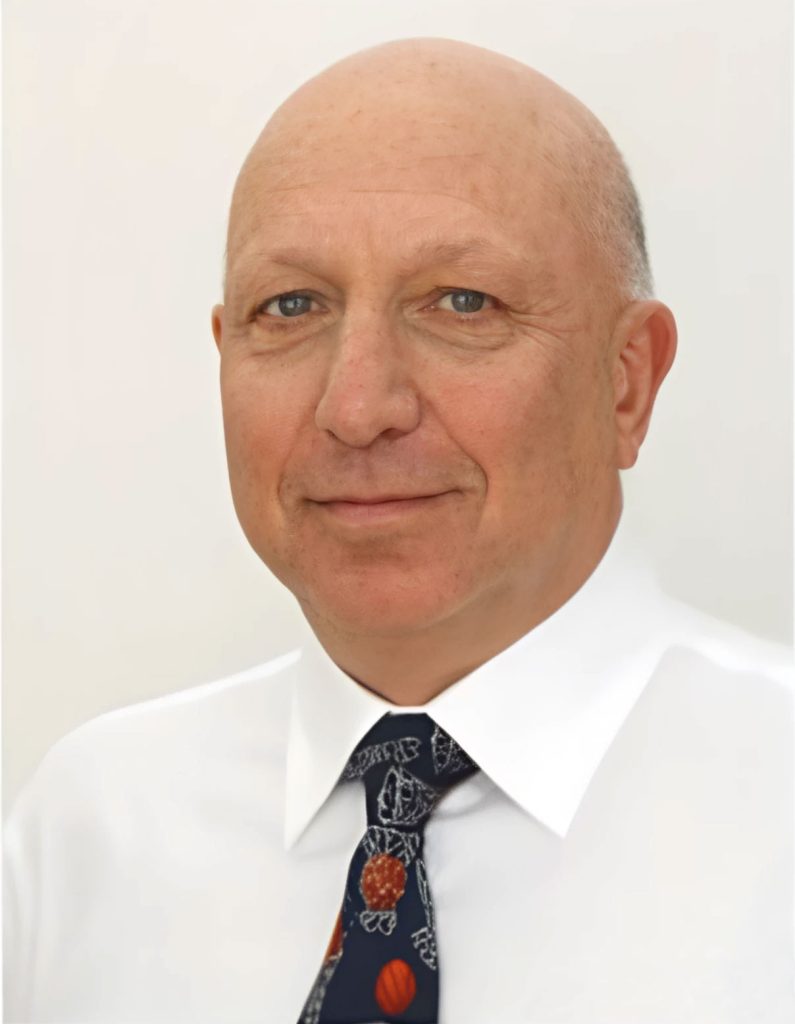
Jonathan Berent, LCSW

Psychotherapist & Author — Social Anxiety and Performance Anxiety

Jonathan Berent, L.C.S.W., A.C.S.W., is a psychotherapist who has been practicing since 1978. He has created the Berent Treatment Method for Social Anxiety, which is the result of his clinical work with thousands of individuals of all ages with social anxiety since 1978. He has extensive clinical experience with avoidance and dependance personality disorder, and is the author of Work Makes Me Nervous: Overcome Anxiety and Build the Confidence to Succeed (Wiley, 2010), Beyond Shyness: How to Conquer Social Anxieties (Simon & Schuster, 1992), and Social Anxiety: The Untold Story, which is a training course for mental health professionals in using the Berent Method to treat social anxiety. (Andrew Kukes Foundation, 2011).
SocialAnxiety.com, has served millions of unique visitors as a multimedia clearinghouse for patients, parents, and fellow mental health professionals in search of articles, educational materials, and books on social anxiety and related subjects. His library of clinical interviews appears to be the most documented clinical success with social anxiety.

Guest Speaker

Frequently Asked Questions

Common Questions About Social Anxiety Treatment

Erythrophobia is an intense fear of blushing. A person may become preoccupied with when they might blush, whether other people can see it, and what others might think about them. This fear can lead to avoiding triggering situations like presentations, social situations, meetings, dating, professional opportunities, and other circumstances where the person fears becoming visibly red.

Blushing is considered to be an involuntary response to heightened emotion, self-consciousness, embarrassment, or adrenaline. For someone who fears blushing, noticing even a small change in facial warmth can trigger additional anxiety. This can create a feedback loop in which the fear of blushing contributes to additional blushing. That said, the Berent treatment methodology provides clinical evidence that blushing can be controlled

Yes. Fear and self-monitoring can intensify the emotional and physiological response associated with blushing. A person may think, “I’m starting to blush,” become alarmed by that thought, and generate even more anxiety and adrenaline. Treatment therefore needs to address the deeper emotional response concurrent to adrenaline control technique.

Because it takes a lot of misplaced energy. Trying desperately to conceal anxiety requires constant self-monitoring. Instead of focusing on the conversation, audience, or message, attention becomes focused inward: “Am I blushing? Is my voice shaking? Can they see me sweating?” This heightened monitoring can increase anxiety and make normal physiological sensations seem more threatening.

Chronic anxiety can significantly affect quality of life. Repeated avoidance, lost opportunities, isolation, frustration, and the feeling of being unable to overcome the problem can contribute to discouragement, burnout, depressed mood, and dysthymia. When anxiety and depression occur together, both should be considered when developing an appropriate treatment strategy.

Take the Next Step

You Do Not Have to Manage This Alone

Public speaking anxiety, performance anxiety, and social anxiety respond to treatment. If this episode described your experience, a conversation is the great next step.